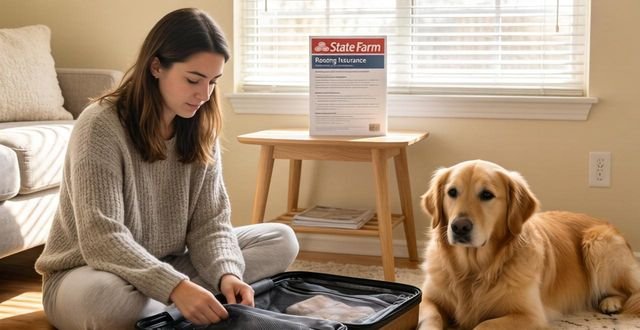
Let’s talk about your couch. The TV you just upgraded. The laptop you use for work and the side hustle. Maybe it’s a quiet Tuesday in Blue Island, and you’re thinking about dinner, not disaster. But what if a pipe bursts in the unit above yours? Or a kitchen fire starts down the hall? In a rental, those aren’t just headlines—they’re your belongings on the line, and your landlord’s policy won’t lift a finger to replace your stuff. That gnawing feeling in your gut? That’s the risk of starting over from scratch. This isn’t about fear; it’s about the peace of mind that comes from knowing you’re covered.
So, what’s the real deal with renter’s insurance here? It’s a personal property and liability safety net. We’re not just talking about a policy document. We’re talking about the financial consequence of not having it. Picture this: a theft clears out your electronics. Without a policy, you’re digging into savings meant for a car down payment or a vacation. With a policy, you file a claim, meet your deductible,and get reimbursed to buy replacements. The core idea is transferring that big, unpredictable financial hit to the insurance carrier for a small, predictable monthly premium.
Now, how does this play out in Blue Island? You’ve got carriers like State Farm, Allstate, and local independents. Here is where things get tricky. The quotes might look similar, but the devil is in the details. Does the policy offer “replacement cost” or “actual cash value” for your belongings? Replacement cost pays for a new, comparable item. Actual cash value pays for what your five-year-old TV is worth today, after depreciation—often a fraction of what you’d need to buy a new one. Which one gives you true recovery?
Most folks think liability coverage is just for if someone sues them. It’s that, but it’s also your financial backstop if your dog nips a neighbor or a visitor slips in your kitchen. This part of the policy can cover their medical bills and your legal fees. In a world where lawsuits are common, skipping this is like leaving your front door unlocked.
Let’s walk through a couple of common missteps I see.

“My landlord has insurance, so I’m covered.” This is the number one myth. Your landlord’s policy covers the building itself—the walls, the roof, the plumbing. It does not cover a single poster on your wall or the shoes in your closet. That’s on you.
“I don’t own enough to make it worth it.” Have you added it up lately? Between clothing, furniture, kitchenware, electronics, and hobbies, most people are sitting on $20,000 to $30,000 worth of stuff. Could you afford to replace that out-of-pocket tomorrow?
“It’s too expensive.” But here is the catch. For most renters in our area, a solid policy often costs less per month than a single pizza delivery. We’re talking about the price of a streaming service for a fundamental layer of financial defense.
You might wonder, “How do I even start?” Don’t just click the first online quote. Talk to a local agent who knows Blue Island. They can explain the specific endorsements you might need—like sewer backup coverage, which isn’t always standard but can be vital. They’ll help you document your belongings (a simple video walkthrough on your phone works) and choose coverage limits that fit your real life, not just a template.
Think of it this way. Renter’s insurance isn’t an extra bill; it’s a buy-back for your financial serenity. It’s the tool that turns “I have nothing” into “I’m covered.” In a city like ours, with its own rhythm and risks, that guarantee is priceless. So, make the call. Get the quotes. Because your stuff—and your peace of mind—is worth protecting.