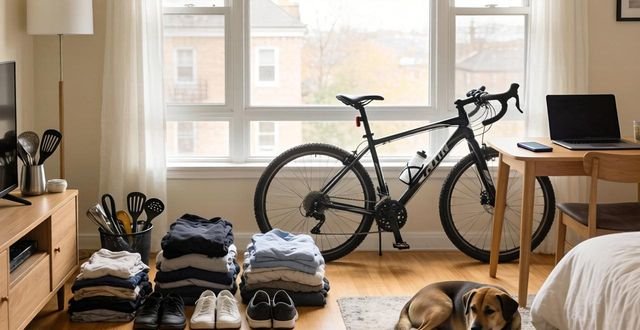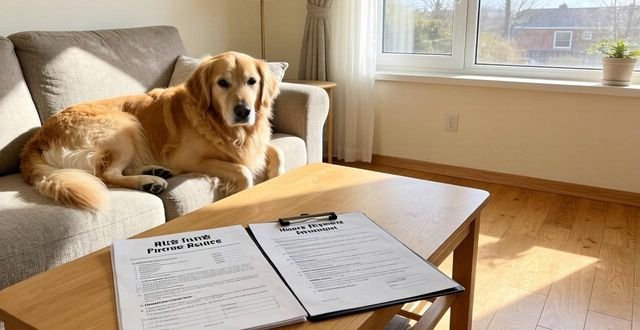
Picture this: You’ve just moved into that chic apartment near Mesa Marketplace, the one with the granite countertops and the pool that glimmers like a mirage. You’ve signed the lease, paid the deposit, and hung your grandmother’s quilt on the wall. Then, a summer monsoon rips through. Or a pipe bursts in the unit above. Or the kid next door, the one with the skateboard, accidentally sets off the sprinkler system while practicing kickflips. Your landlord’s policy? It covers the building’s bones, not your prized guitar collection, not your laptop with the thesis draft, not those new hiking boots you just broke in on the Superstition Mountains.
That, my friend, is where renters insurance in Mesa steps into the spotlight. But do not for a moment mistake this for a boring, one-size-fits-all lecture. We are going to tear this topic apart, piece by dusty piece, and rebuild it from your perspective. Because you are not just a renter; you are the curator of your own small universe within those four walls.
So, what exactly does this beast protect?
It is not magic, though it sometimes feels that way when disaster strikes. Let me break it down for you, not as a stuffy textbook, but as a conversation over lukewarm coffee in a downtown Mesa diner.
Your personal property: This is the soul of the policy. Your couch, your TV, your collection of vintage vinyl, the engagement ring you hide in a sock drawer—all of it is fair game for theft, fire, vandalism, or that aforementioned plumbing disaster.
Loss of use (a.k.a. “where do I sleep tonight?”): If your apartment becomes uninhabitable due to a covered claim, your policy helps pay for a hotel, a temporary rental, or even that greasy but delicious takeout while you wait for repairs.
Liability protection: Here is where things get tricky, and frankly, a little scary. Suppose your friend slips on your newly-waxed kitchen floor and breaks a wrist. Her medical bills become your headache unless you have liability coverage. It also covers you if your dog—the sweet one who has never growled at anyone—decides the mailman is an intruder.
Medical payments to others: No lawsuits required. If someone gets a minor injury on your property, this part pays for their urgent care visit without all the courtroom drama.
But here is the catch that most agents never tell you until it is too late.
Not all policies are woven from the same cloth. You have two main flavors of property coverage:
> Actual Cash Value (ACV): This is the cheap cousin. It pays you what your five-year-old sofa is worth today—which is approximately the price of a sad sandwich and a bus token. Depreciation eats your value alive.
> Replacement Cost Value (RCV): This is the hero. It pays to buy a new sofa, of like kind and quality, without deducting for age or wear. Yes, the premium is higher. But ask yourself: Do you want to replace your belongings, or do you want a check that barely covers the Uber ride to IKEA?
Most people shopping for renters insurance in Mesa grab the cheapest quote they see online. That quote is almost always ACV. And that is the mistake that turns a minor disaster into a financial knockout punch.
Why Mesa specifically? Why not just any generic policy?
Mesa is not Phoenix, and it is not Scottsdale. It has its own personality—and its own risks.
Summer heat: Extreme temperatures affect electronics and appliances. A power surge from an overloaded AC unit can fry everything plugged into your wall.
Monsoon season: Flash floods, roof leaks, and wind-blown debris are not theoretical here. They happen every single July.
Desert critters: Scorpions and pack rats are uninvited roommates. If one chews through your wiring and starts a fire, you will be grateful for coverage.
Proximity to desert trails: Your muddy hiking gear, your expensive mountain bike—they need protection both inside and, with optional endorsements, outside your apartment.
Now, let me address the whisper in the back of your mind: “I don’t own enough stuff to justify this.”
Stop right there. That is fear talking, not math. Add it up. Your phone: $800. Your laptop: $1,200. Your clothes: $2,000. Your kitchen gadgets, tools, art, books, that weighted blanket you love. Most people are shocked to discover they are sitting on $15,000 to $25,000 of easily replaceable things. Then add liability. If you cause a fire that damages three other units, you are not just replacing your own socks; you are paying for your neighbors’ ceilings, their smoke-ruined furniture, their temp housing. A lawsuit like that can follow you for a decade.
Common traps that even smart renters fall into
1. “My landlord’s insurance has me covered.”

No. Full stop. Your landlord’s policy covers the building’s roof, walls, and parking lot. Your toaster, your passport, your collection of signed baseballs? Those are orphans under that plan.
2. “I’ll just rely on my credit card’s purchase protection.”
That works for 90 days, not for a fire two years into your lease. And it certainly does not cover liability when your visiting nephew throws a baseball through a neighbor’s priceless stained-glass window.
3. “Renters insurance is too expensive in Mesa.”
Let us do real math. The average policy in Maricopa County runs between $12 and $25 per month. That is one less burrito bowl per week. In exchange, you get peace of mind that does not crumble when the unexpected arrives. Skip the pricey coffee for a few days. You will survive. A $20,000 loss? You might not.
Tax implications? You bet there is nuance.
If you run a small business out of your apartment—say you are a freelance graphic designer or you sell handmade jewelry on Etsy—your standard renters policy likely caps business equipment at a laughably low $1,500. You need an endorsement or a separate in-home business policy. And here is the kicker: If you claim a theft of business equipment, the IRS may view that reimbursement differently than personal property. Always, always consult your tax advisor. But know this going in: mixing business and personal property under the same policy is like storing gunpowder next to a candle. It works until it does not.
So how do you choose a carrier in Mesa without losing your mind?
You have options. Let me name names, because vague advice is useless advice.
State Farm: Reliable, local agents on every corner. Their mobile app is decent, but their base policy is often ACV unless you specifically ask for RCV. Ask. Do not assume.
Geico (through third-party partners like Assurant or Liberty Mutual): Cheap and fast to quote online. But their claims process can feel like a maze, and you rarely talk to the same person twice.
Farmers: Strong for replacement cost endorsements, especially if you have expensive electronics or musical instruments.
Lemonade: App-only, low overhead, and genuinely fast for simple claims. However, their coverage for high-value items (jewelry, cameras, art) requires separate “scheduled” coverage.
Local independent agents (like the one you are talking to now): We shop multiple carriers for you. We ask the annoying questions about sewer backup limits, mold exclusions, and whether your mountain bike is covered when it is locked outside the gym. We cost you nothing extra; the carrier pays our commission.
Your next steps, because action cures anxiety
Tonight: Walk through every room with your phone camera. Open drawers. Film the serial numbers of electronics. Upload that video to the cloud. That is your proof of ownership.
Tomorrow: Check your lease. Some Mesa apartment complexes require a minimum of $100,000 in liability coverage. Others are flexible. Know before you buy.
This week: Get three quotes. One from a direct carrier (like State Farm), one from an app (Lemonade), and one from an independent agent. Compare the declarations pages side by side—not just the price. Look for the magic words “Replacement Cost” and ask about the “elimination period” for loss of use coverage.
Before you sign: Verify the claims process. Is there a 24/7 number? Can you file online? Read three recent Google reviews about claims, not sales.
Let me leave you with this image.
It is late October. The air finally smells like something other than a hair dryer. You are sitting on your balcony, watching the sun sink behind the Superstitions. A glass of cheap wine in your hand. Your apartment is intact. Your dog is snoring at your feet. And somewhere in a drawer, you have a digital ID card for a renters policy that costs less than your Netflix subscription. That is not fear talking. That is the quiet confidence of someone who looked at the chaos of life—the fires, the thieves,the burst pipes, the clumsy friends—and said, “Not today.”
Go get your quote. Mesa is a great place to live. Let us keep it that way.